
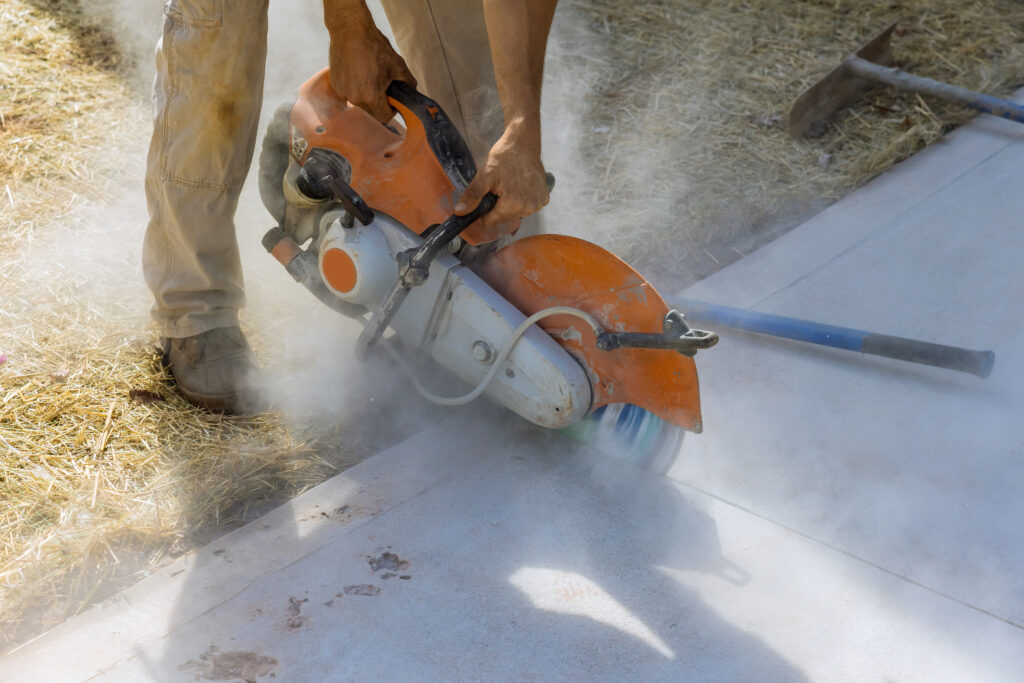
Silicosis is a severe lung disease resulting from inhaling silica dust, which is often encountered in industries involving cutting, grinding, or drilling concrete. The concrete cutting industry, in particular, poses significant risks due to the high concentration of silica in concrete materials. This blog post aims to shed light on the dangers of silicosis within this industry and provide comprehensive preventative measures to safeguard workers.
Understanding Silicosis
Silicosis is an irreversible but preventable lung disease caused by inhaling tiny particles of silica, a mineral found in sand, rock, and mineral ores like quartz. Over time, exposure to silica dust can cause inflammation and scarring in the lungs, leading to severe health complications.
There are three types of silicosis:
- Chronic Silicosis: This is the most common form, developing after 10-20 years of lower-level exposure.
- Accelerated Silicosis: Develops 5-10 years after high levels of exposure.
- Acute Silicosis: Can occur after a few months or as long as 2 years following exposure to extremely high concentrations of silica dust.
Risks in the Concrete Cutting Industry
The concrete cutting industry is particularly vulnerable to silicosis due to the high silica content in concrete products. When concrete is cut, ground, or drilled, silica dust is released into the air. Without adequate control measures, this dust can be inhaled by workers, leading to the development of silicosis.
Health Impacts
The health impacts of silicosis can be devastating, including:
- Progressive respiratory symptoms: Such as cough, sputum production, and worsening breathlessness.
- Decreased lung function: Leading to disability and reduced quality of life.
- Increased risk of lung infections: Including tuberculosis.
- Lung cancer: Particularly in workers who smoke.
- Respiratory failure and death: In severe cases.
Legal and Economic Consequences
Beyond the health implications, silicosis can have significant legal and economic consequences for businesses in the concrete cutting industry. Employers may face lawsuits, compensation claims, and increased insurance premiums. Furthermore, they may experience a loss of skilled workers, reduced productivity, and potential penalties for non-compliance with occupational health and safety regulations.
Preventative Measures
To protect workers from the dangers of silicosis, it is essential to implement comprehensive preventative measures. These measures can be categorized into engineering controls, work practices, personal protective equipment (PPE), and medical surveillance.
Engineering Controls
- Water Controls: Wet cutting methods can significantly reduce the amount of dust generated.
- Local Exhaust Ventilation: Use tools equipped with dust collection systems.
- Isolation: Enclose operations and use dust-extracting systems to prevent dust from spreading.
Work Practices
- Limit Exposure: Rotate job assignments to limit exposure time for individual workers.
- Proper Equipment Use: Ensure tools are used correctly and maintained regularly.
- Housekeeping: Regularly clean the work area using wet methods or HEPA-filtered vacuuming to avoid dust accumulation.
Personal Protective Equipment (PPE)
- Respiratory Protection: Use appropriate respirators when engineering and work practice controls cannot maintain silica levels below permissible limits.
- Protective Clothing: Wear disposable or washable work clothes and shower if facilities are available.
Medical Surveillance
- Regular Health Screenings: Implement a medical surveillance program to monitor workers’ health, including chest x-rays and lung function tests.
- Training and Education: Provide training on the hazards of silica dust, proper use of controls, and the importance of using PPE.
Conclusion
Silicosis is a grave concern in the concrete cutting industry, but it is preventable with the right knowledge and precautions. By understanding the risks and implementing a comprehensive approach to exposure control, employers can protect their workers from the devastating health consequences of silicosis. It requires a concerted effort from all stakeholders, including industry leaders, workers, health professionals, and regulators, to ensure a safe working environment and mitigate the risks associated with silica dust exposure.
This comprehensive approach not only safeguards the health and well-being of workers but also contributes to the sustainability and profitability of businesses in the concrete cutting industry. Investing in worker health is not just a legal and ethical obligation—it’s a strategic business decision that pays dividends in productivity, reputation, and long-term success.